Making cash and crypto transfers feel like one simple flow.

Overview
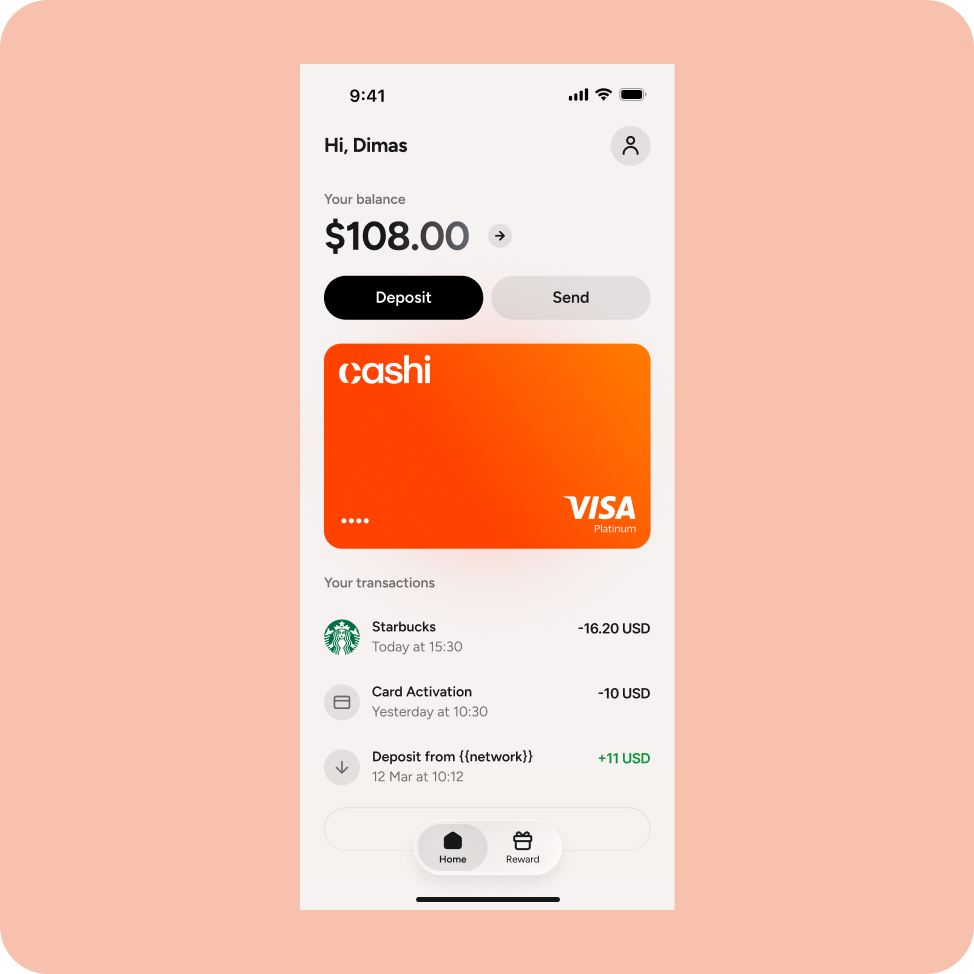
Cashi is a 0→1 mobile wallet for moving money across cash and crypto. I focused on three core journeys—Send, Deposit, and Convert—working through very different requirements across wallets, blockchain networks, local payment methods, and third-party providers.
Cashi is aimed for non-crypto natives
Role
UI/UX Design
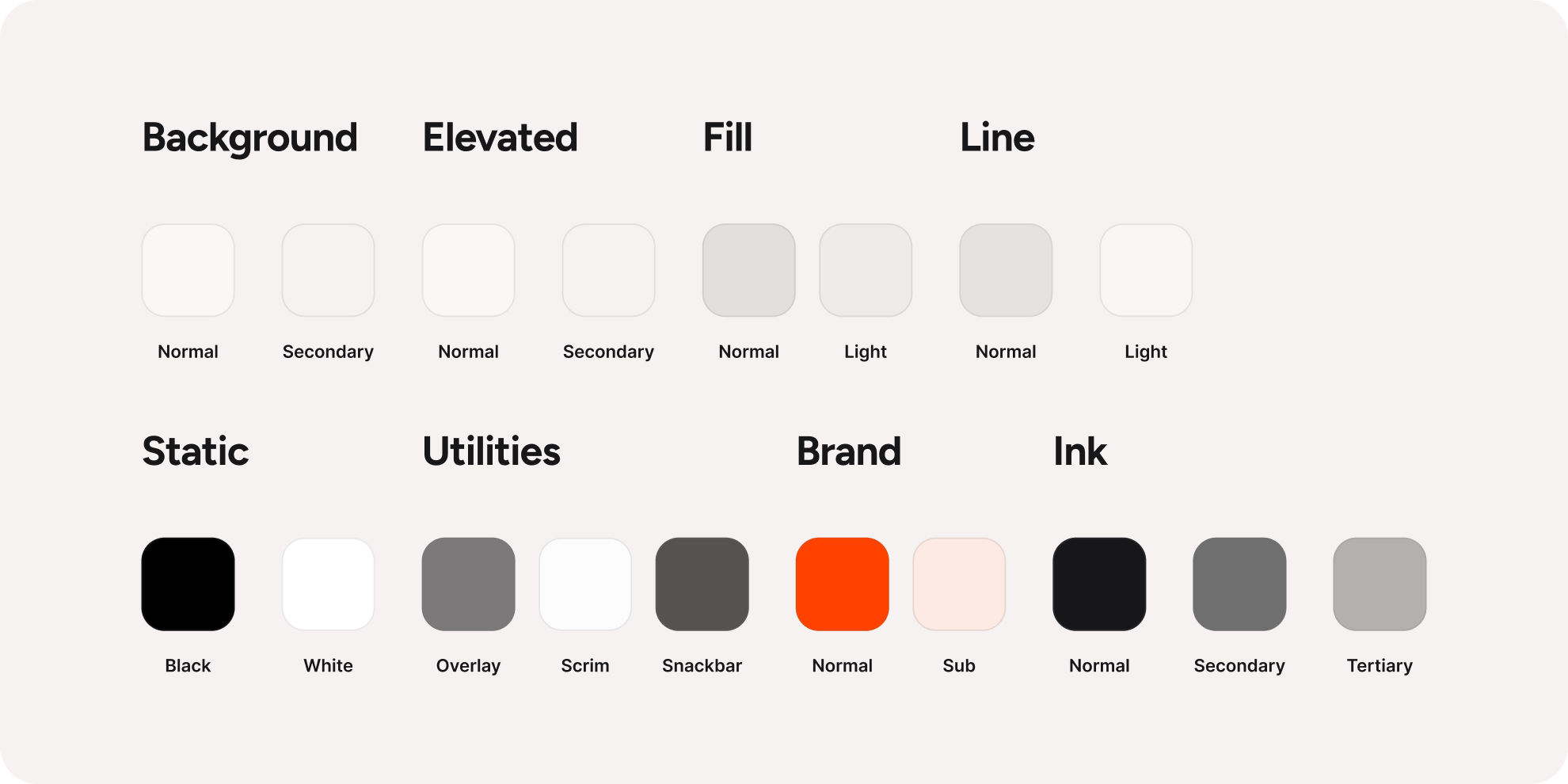
Design System
Impact
Early first month signals 10,000+ downloads
Cannot disclose transaction volume
Designing features around user’s intent
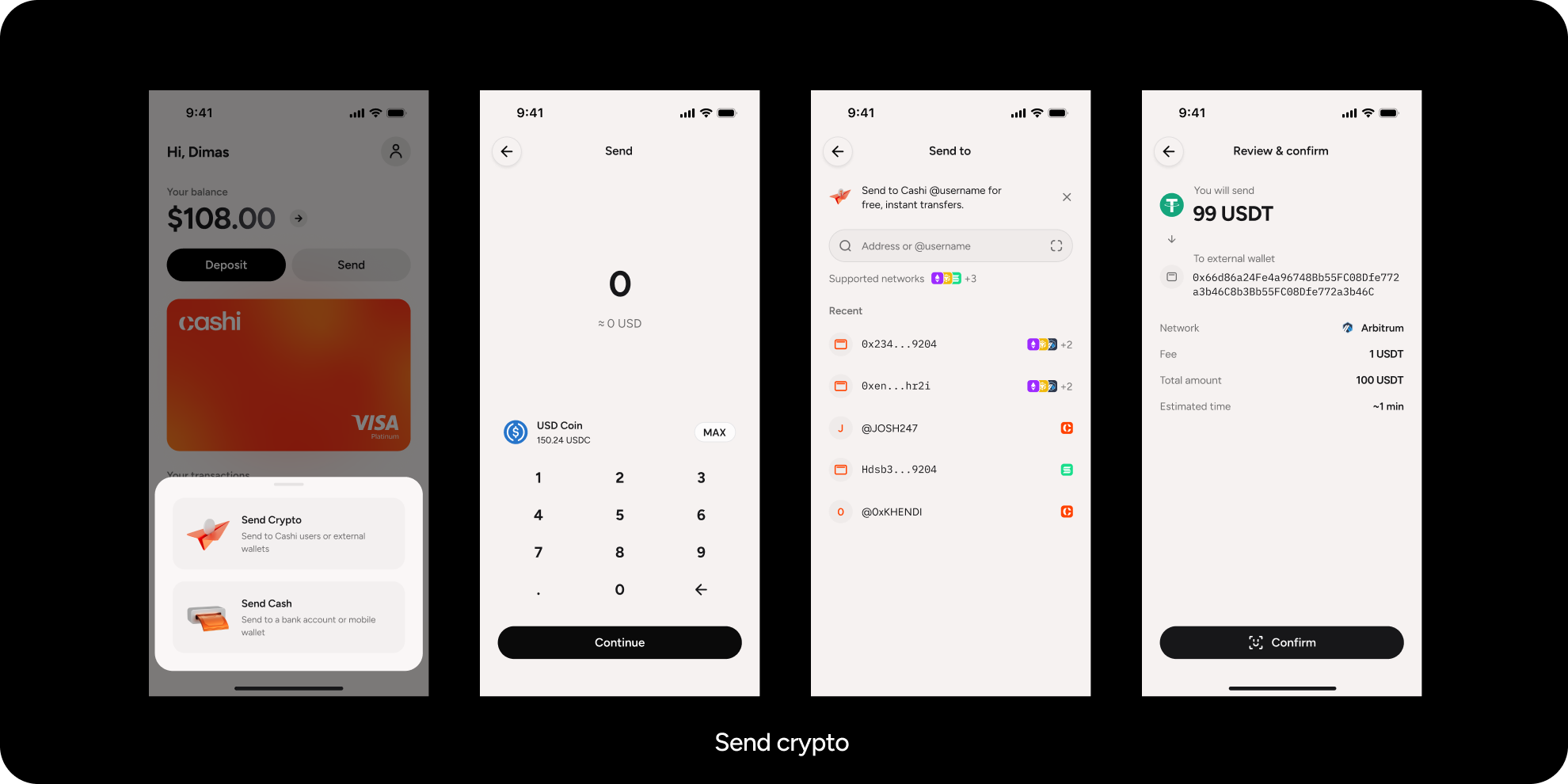
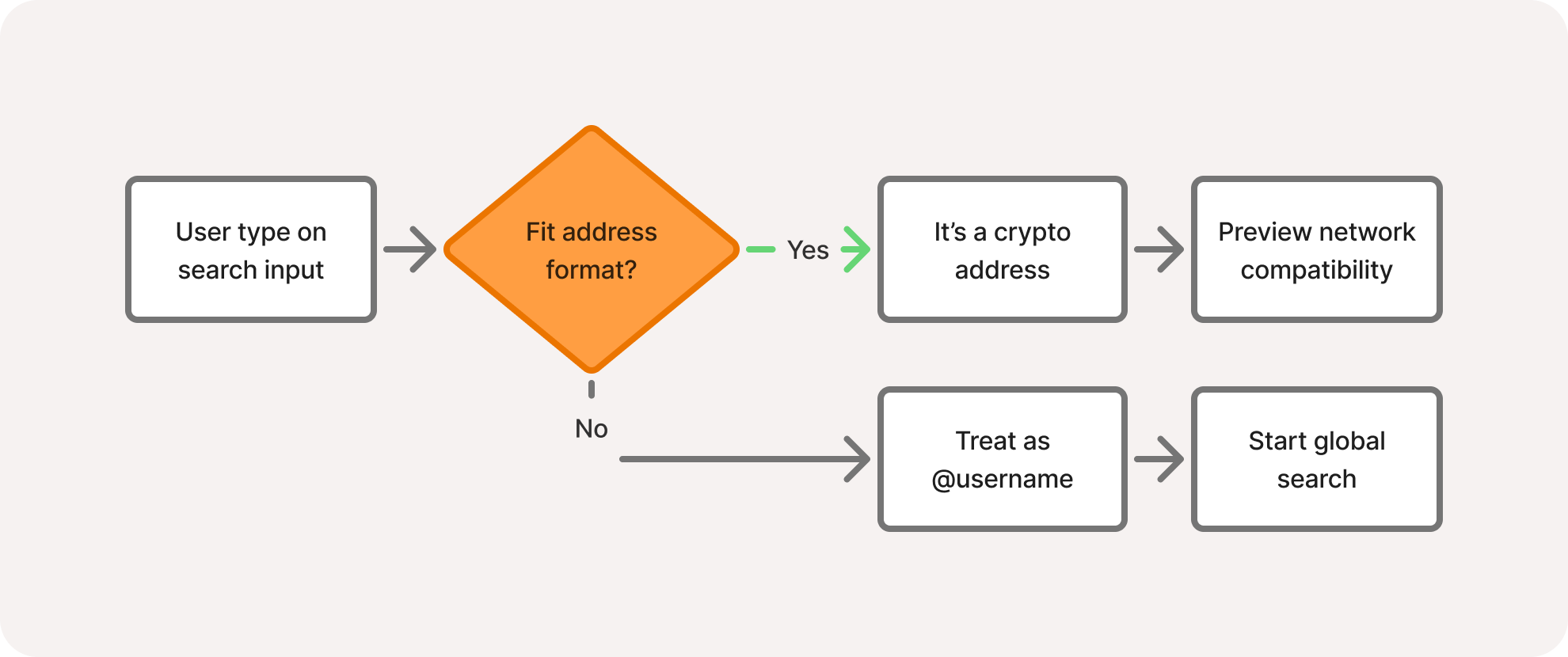
Moving money in Cashi can follow very different routes. A user might send to another Cashi user, transfer crypto to an external wallet, deposit through a blockchain network, or fund their balance through a local bank or mobile wallet.
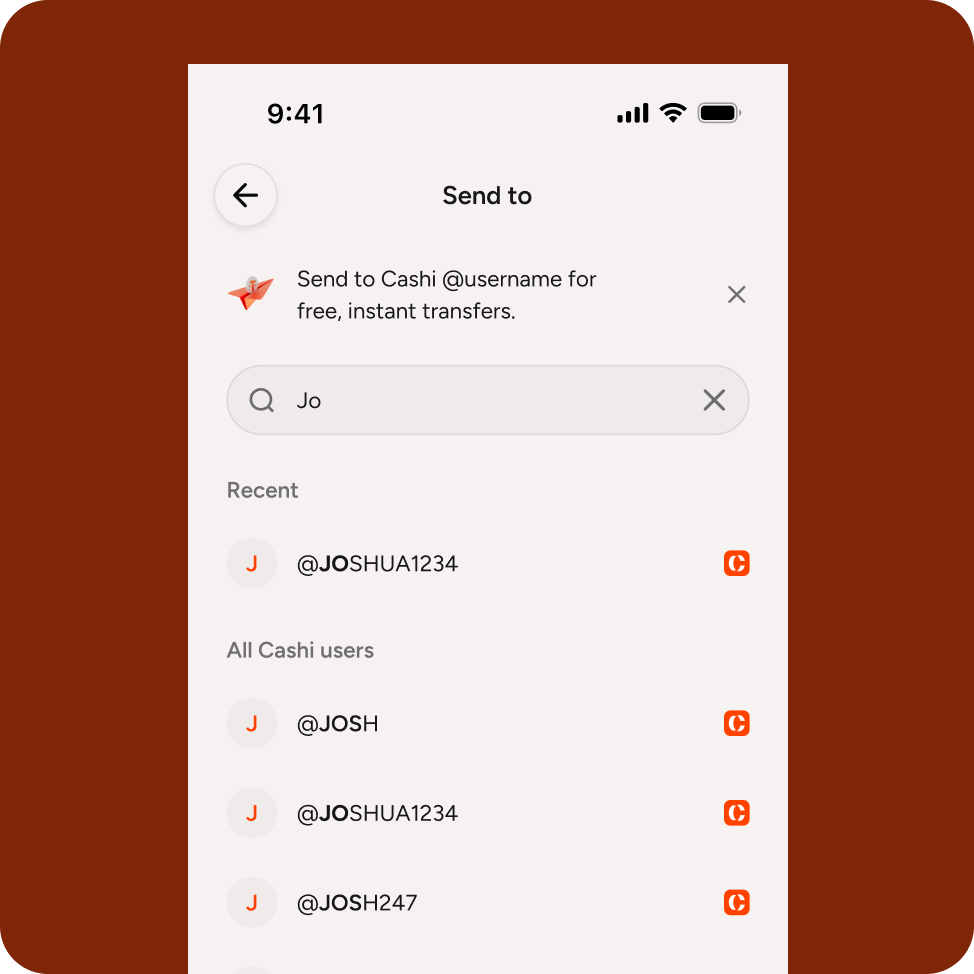
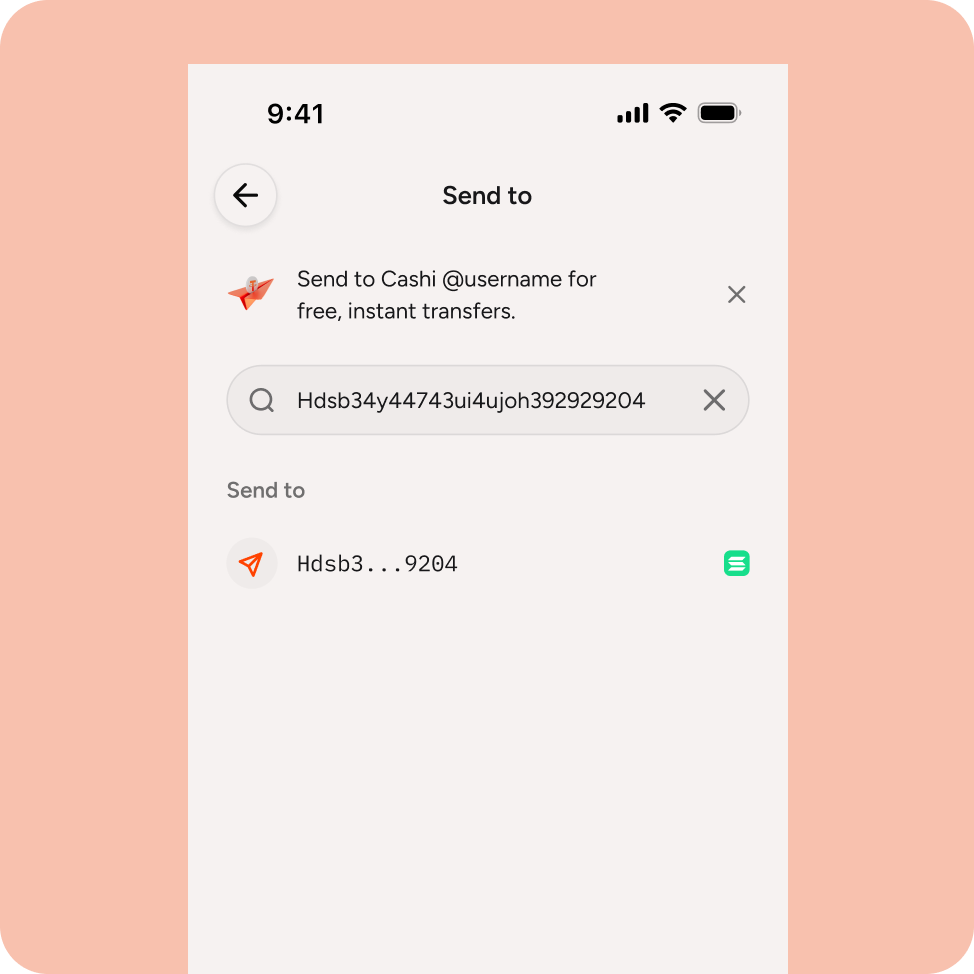
Rather than exposing those technical differences upfront, I designed the flows to begin with what the user wants to do, then progressively reveal the information needed for that route.

Deposit Crypto
Depositing crypto introduces an important constraint: the same asset can exist across multiple networks, and sending through an unsupported network can result in lost funds.
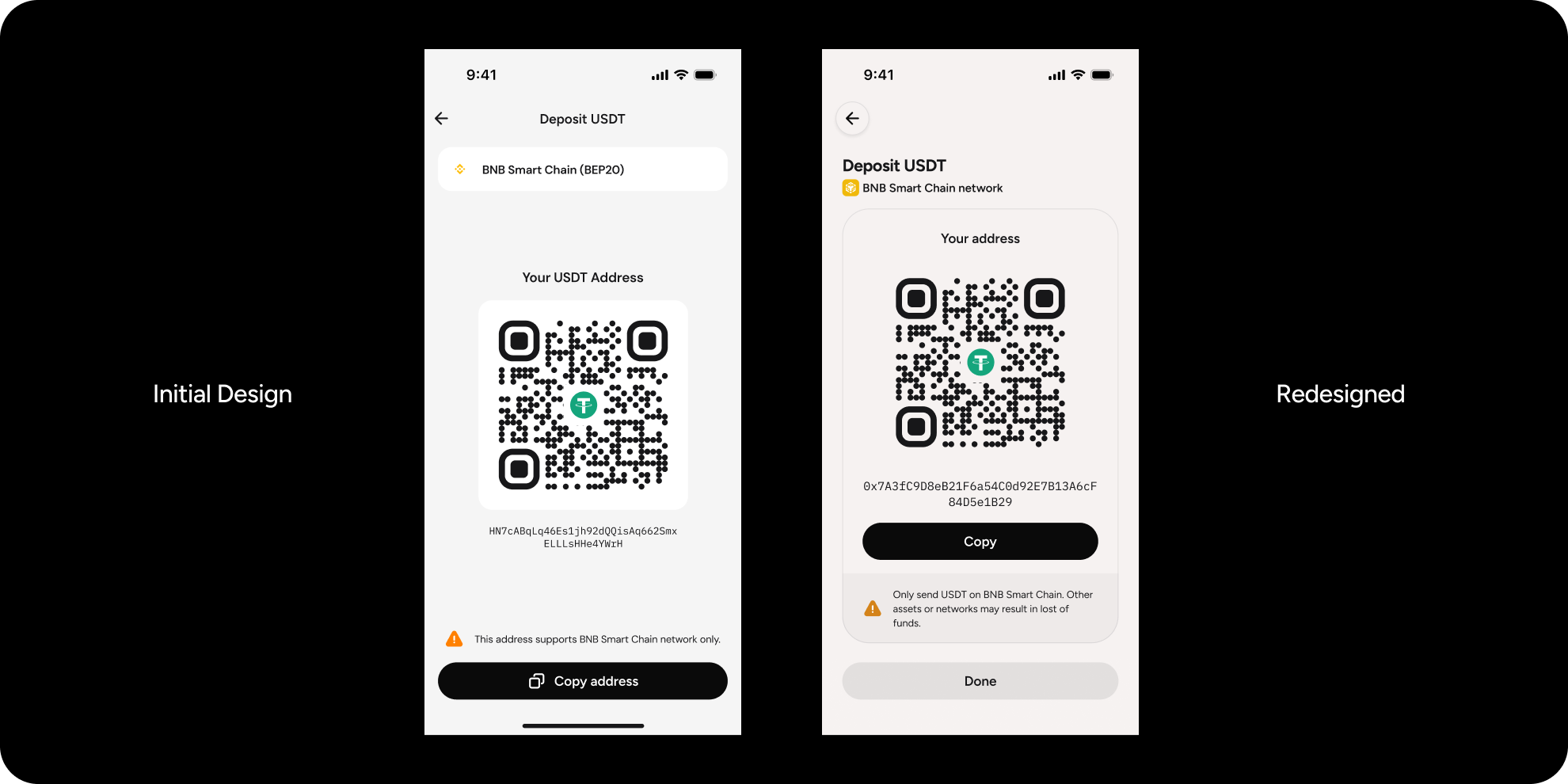
The initial design doesn’t communicate enough that user can only send certain assets
It causes real problem, this address can only receive USDT in EVM Network, although the information is available that this is address for USDT on BNB Smart Chain, users were trying to send other assets that Cashi don’t support.
It leads to around 10% of the transaction needs to be refunded manually, this costs manual effort and blockchain fees.
New design introduces warning text that explicitly shows the risk of sending the wrong assets
The page is redesigned along with app rebranding, but the structure is relatively similar, the only difference is more clear copy located near the main CTA.
Results were clear, tickets related to crypto refunds dropped by 95%.
Deposit Cash
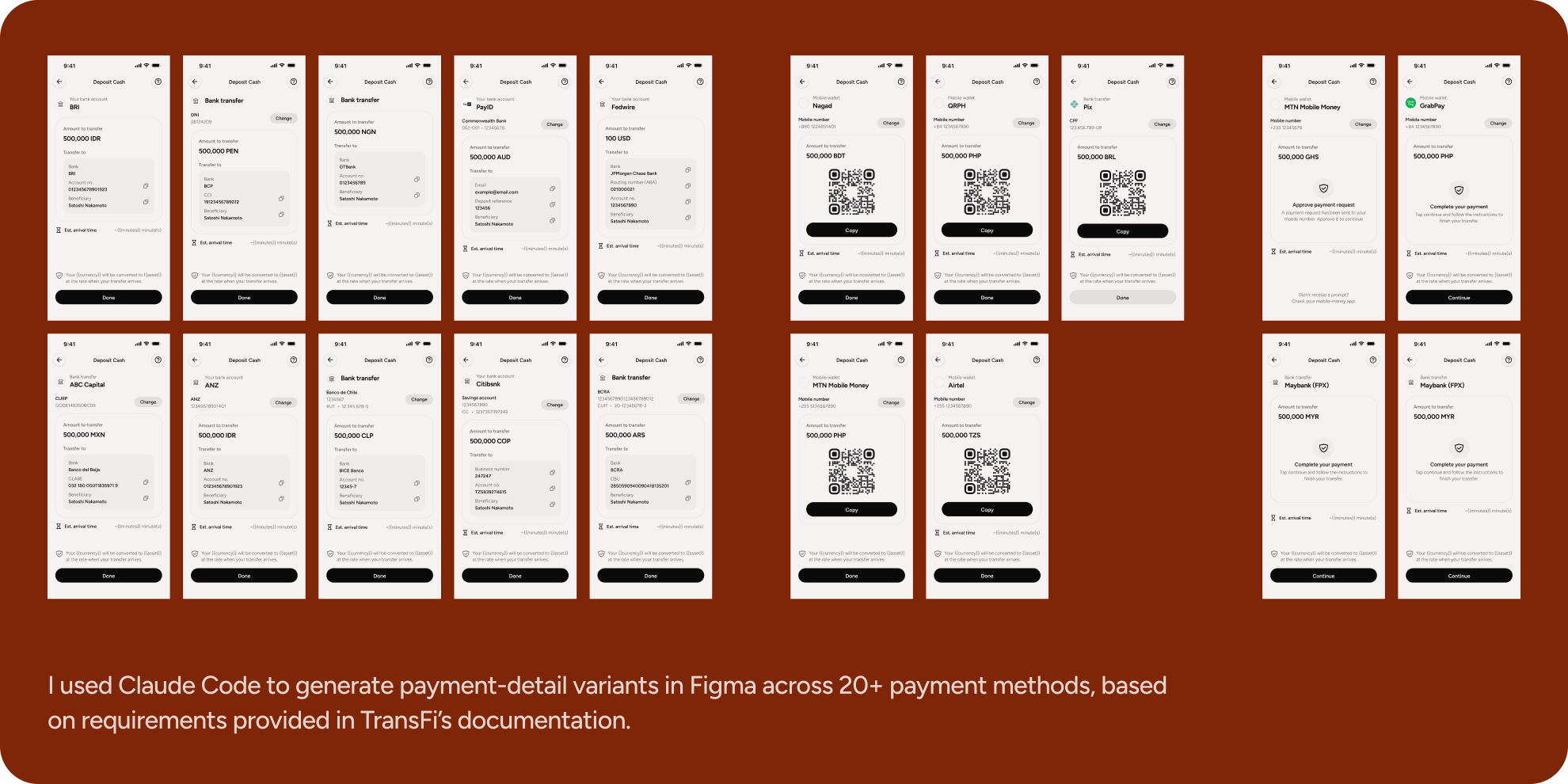
20+ payment methods, 3 core patterns
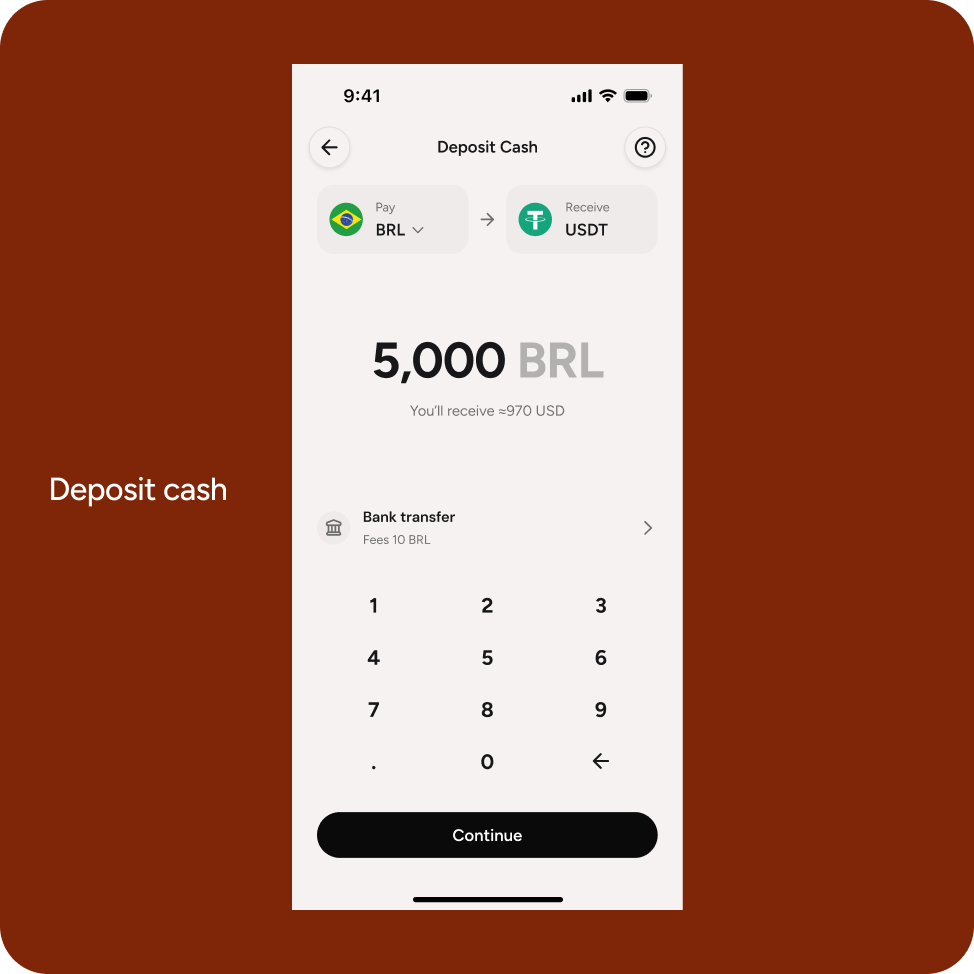
Cash deposits were much more fragmented.
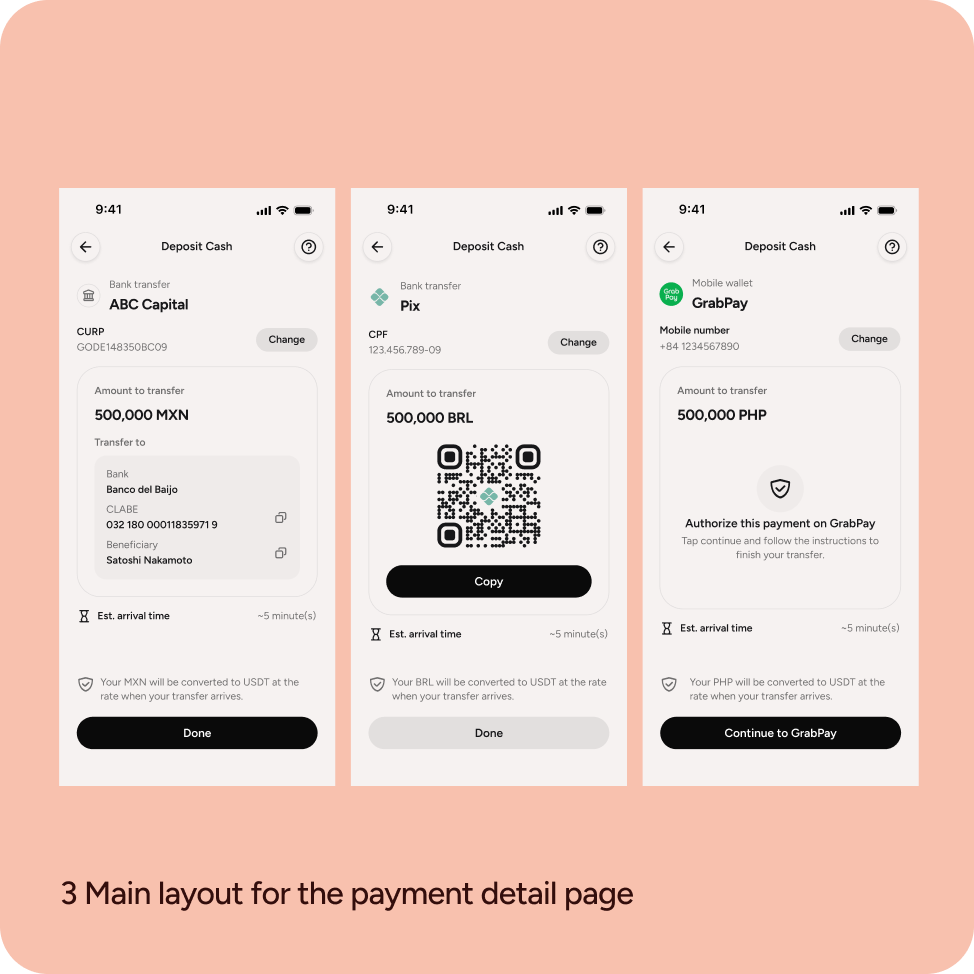
Requirements were provided by TransFi and varied significantly across markets and payment methods. One method might require bank-account details, another a QR code, while others depended on redirects to external mobile wallets or payment apps.
Designing a unique page for every provider would have created an inconsistent experience that would become harder to maintain as Cashi expanded.
Convert
Supporting both sides of the conversion
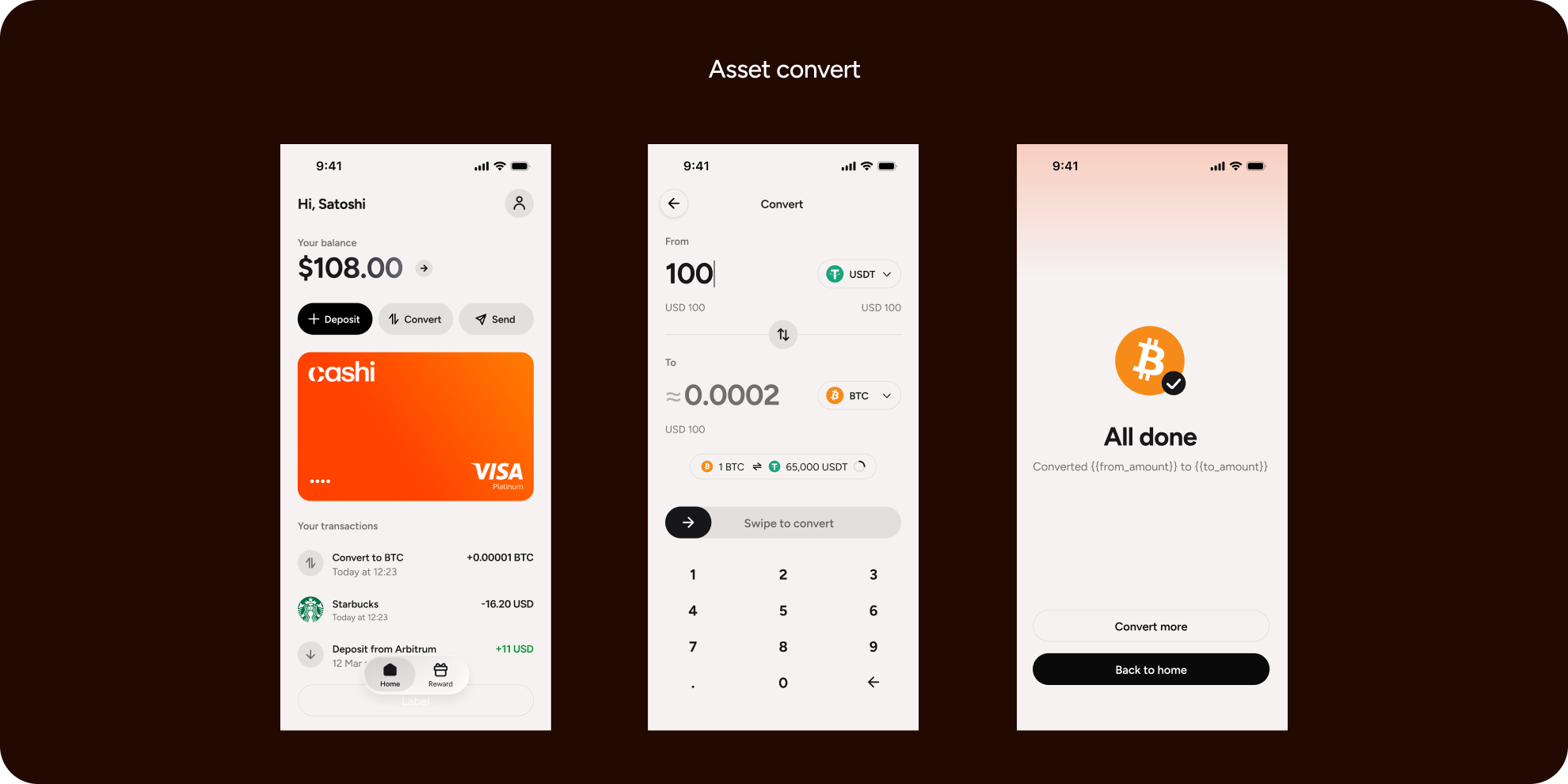
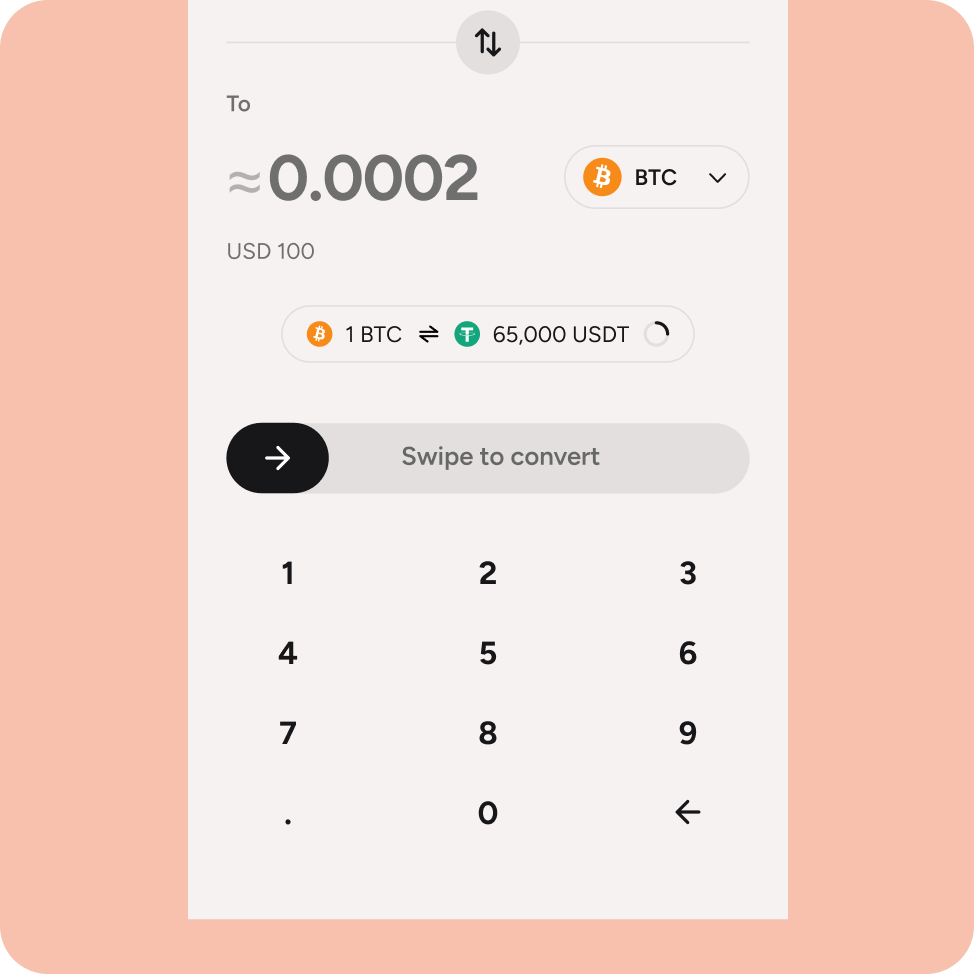
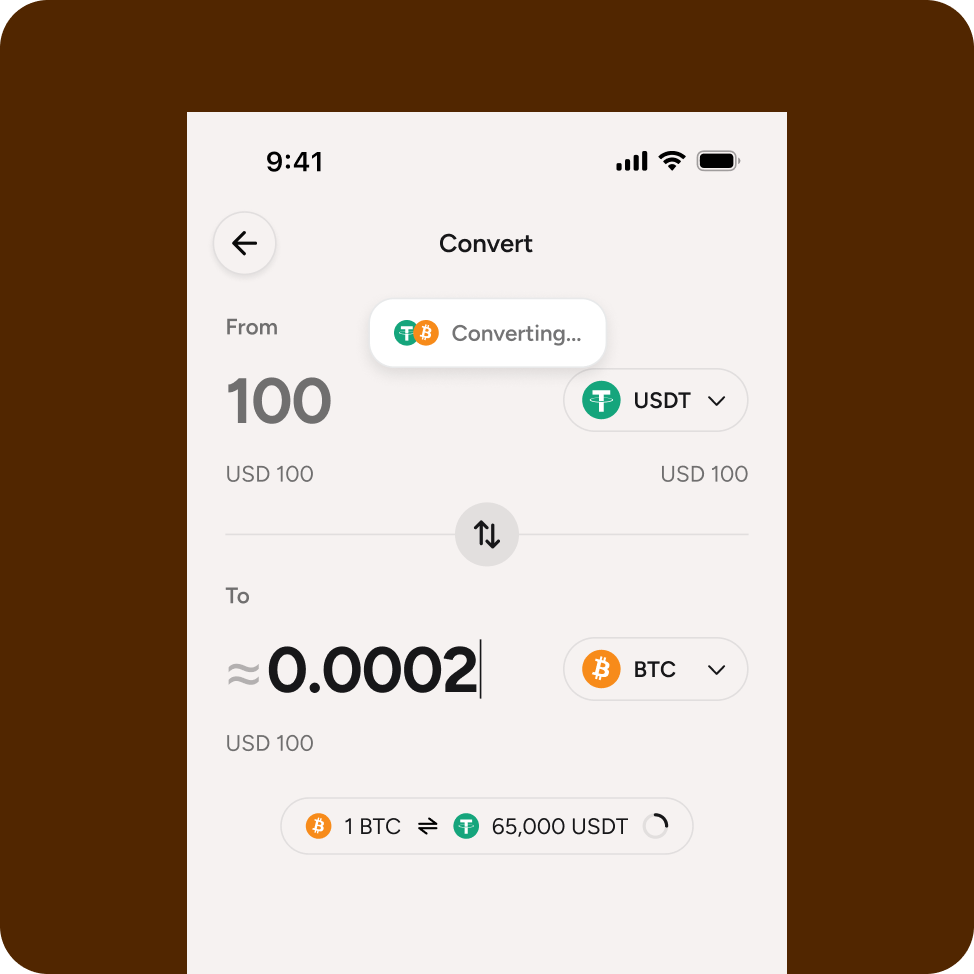
Users do not always approach conversion from the asset they currently hold. Sometimes they think: “I want to convert 100 USDT.” Other times: “I want to receive $200 worth of BTC.”
For that reason, I made both the From and To amounts editable rather than forcing users to calculate the conversion from only one direction.
Reflection
Designing Cashi showed me how AI can accelerate the entire design process—from prototyping and localization to integrating real data from third-party providers. Moving forward, I want to bridge the gap between design and code, while exploring new ways to use AI for faster, more meaningful iteration.